Applied Kinesiology
A diagnostic system that reads the body's own feedback.
Manual muscle testing as functional neurologic evaluation
Applied Kinesiology (AK) is a safe, non-invasive diagnostic system using muscle testing as a tool for evaluating neurological function. It focuses on neuromuscular function as it relates to the structural, chemical and neurological regulatory mechanisms of the body.
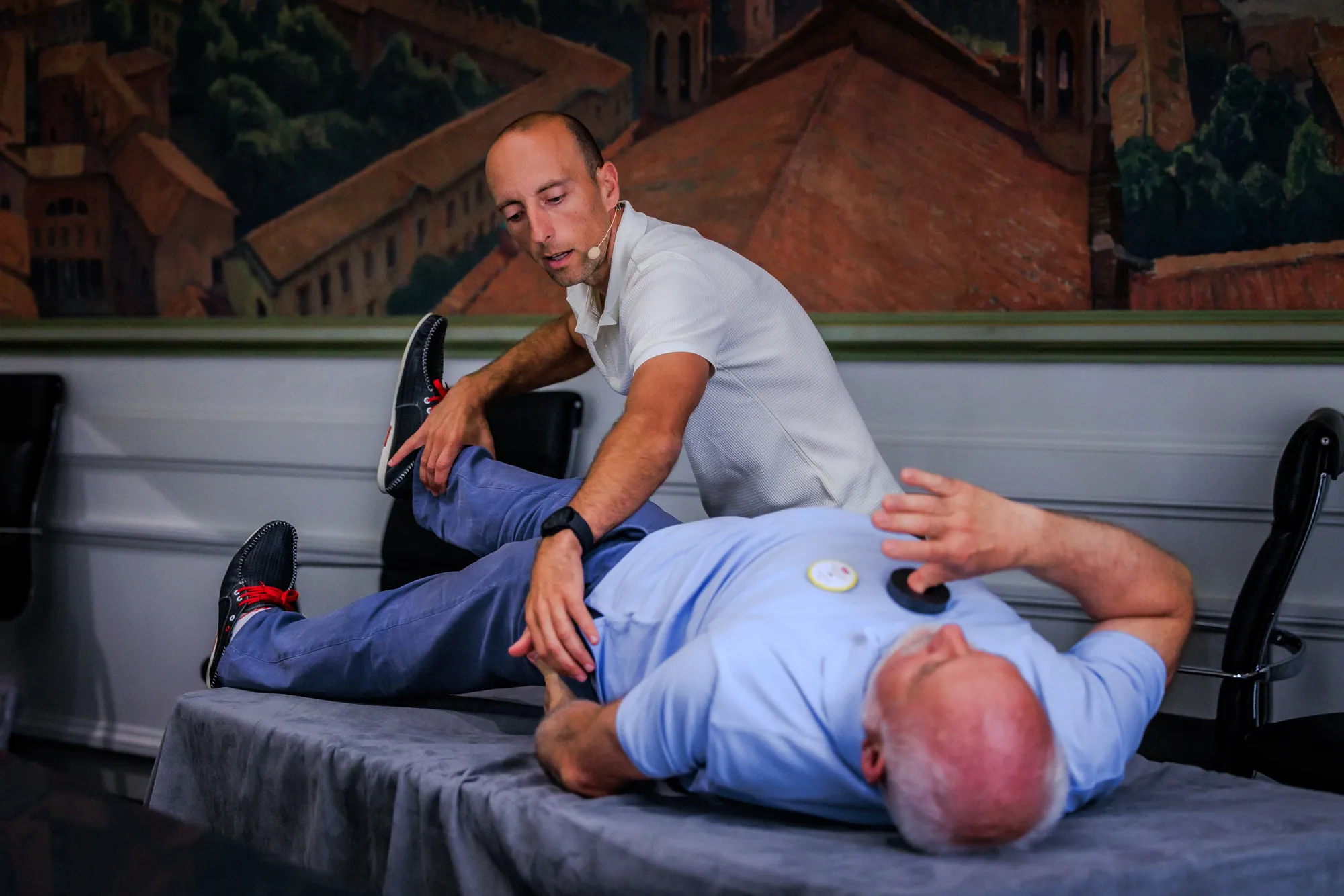
What is Applied Kinesiology?
Reading the nervous system through the muscles it drives
Muscle testing assesses the impact of the nervous system on patient health, helping AK practitioners look for the source of disease in the balance of the sensory system with the motor system. Licensed healthcare professionals use Applied Kinesiology to identify the source of muscle and joint pain as well as structural and gastrointestinal issues, which can often be treated affordably.
Many patients with complex conditions have turned to Applied Kinesiology when nothing else has worked for them. Experienced AK professionals around the globe safely relieve the suffering related to the debilitating effects of injury, pain, anxiety, depression, fibromyalgia, adrenal fatigue, PTSD and more — bringing unexpected hope and relief.
Who can practice AK?
Open only to licensed diagnosticians
Only healthcare professionals licensed to diagnose — and students enrolled in those programs — can study to become Professional Applied Kinesiology practitioners.
 Medical Doctor
 Doctor of Chiropractic
 Doctor of Osteopathy
 Doctor of Dentistry
 Doctor of Naturopathy
Healthcare professionals must undertake a 100-hour Basic Applied Kinesiology Certification course and pass a rigorous theoretical and practical exam. All courses follow the guidelines of the ICAK, which governs standards, education and certification globally.
The kinds of doctors and other healthcare professionals practicing Applied Kinesiology vary from one part of the world to another. In North America it's mostly chiropractors, naturopathic doctors and osteopaths; in Europe it's mostly MDs — more healthcare professionals in Germany integrate AK into their patient practices than in any other country. Eligibility for other professions — physiotherapists, naturopaths, acupuncturists — varies by chapter, according to each country's professional legislation.
Related methods
How AK differs from other muscle-testing techniques
AK is an interdisciplinary approach to health care, drawing together the core elements of complementary therapies into a unified approach to diagnosis and treatment of functional illness. Several other methods share its premise of the manual muscle test.
PAK
Professional Applied Kinesiology
The core interdisciplinary approach: posture and gait analysis, manual muscle testing as functional neurologic evaluation, range of motion, static palpation and motion analysis, used alongside standard clinical history, physical examination and laboratory testing.
NET
Neuro Emotional Technique
A mind-body stress-reduction technique that finds and removes neurological imbalances related to the physiology of unresolved stress, helping evaluate and improve the mental/emotional health of a patient and its impact on physical wellbeing.
CK
Clinical Kinesiology
A direct offshoot of Dr Goodheart’s early work by the late Dr Alan Beardall, taught to qualified doctors and involving manual muscle testing in aspects of quantum healing and diagnostics.
TFH
Touch for Health
Developed by John F. Thie, DC, to teach lay people how to impact the health of their families through tapping or stimulating acupuncture points and neurolymphatics — now a worldwide organisation open to laypeople without undergraduate qualification.
The origin of contemporary Applied Kinesiology traces to 1964, when Dr George G. Goodheart Jr, DC first observed that postural distortion is often associated with muscles that fail to meet the demands of tests designed to isolate them — and that digital manipulation of the tender nodules he found there improved both postural balance and the outcome of manual muscle tests. That observation, and decades of clinical research since, became the foundation of Applied Kinesiology.
Standards
Certification is rigorous by design
The practice of Applied Kinesiology requires that it be used alongside other standard diagnostic methods, by professionals trained in clinical diagnosis. Every ICAK chapter certifies to the same international standard.
For patients
Curious what an AK session looks like?
Read more about muscle testing and what to expect from a licensed Applied Kinesiology practitioner.