Since 1964
The original professional organization for Applied Kinesiology.
Founded on the work of Dr George Goodheart, DC, the ICAK trains, certifies and supports licensed physicians who use Applied Kinesiology to evaluate and treat the whole patient — across 14 country chapters on five continents.
Open only to healthcare professionals licensed to diagnose, and to students enrolled in those programs.
- 1964
- Founded by Dr George Goodheart, DC
- 14
- Country chapters worldwide
- 5
- Continents represented
- 100h
- Basic AK certification course
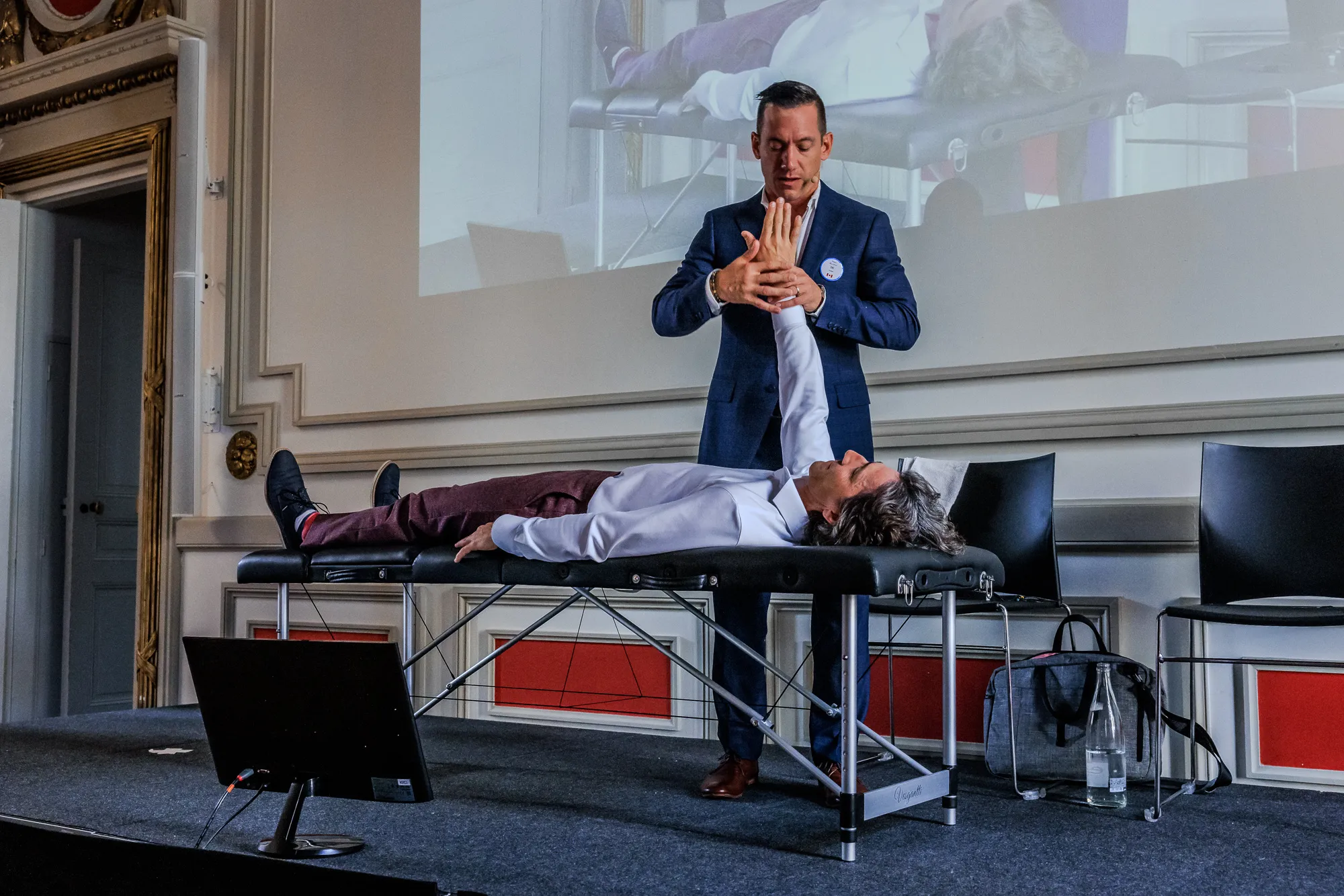
Non-invasive
Manual muscle testing as functional neurologic evaluation
What is Applied Kinesiology?
A diagnostic system that reads the body's own feedback.
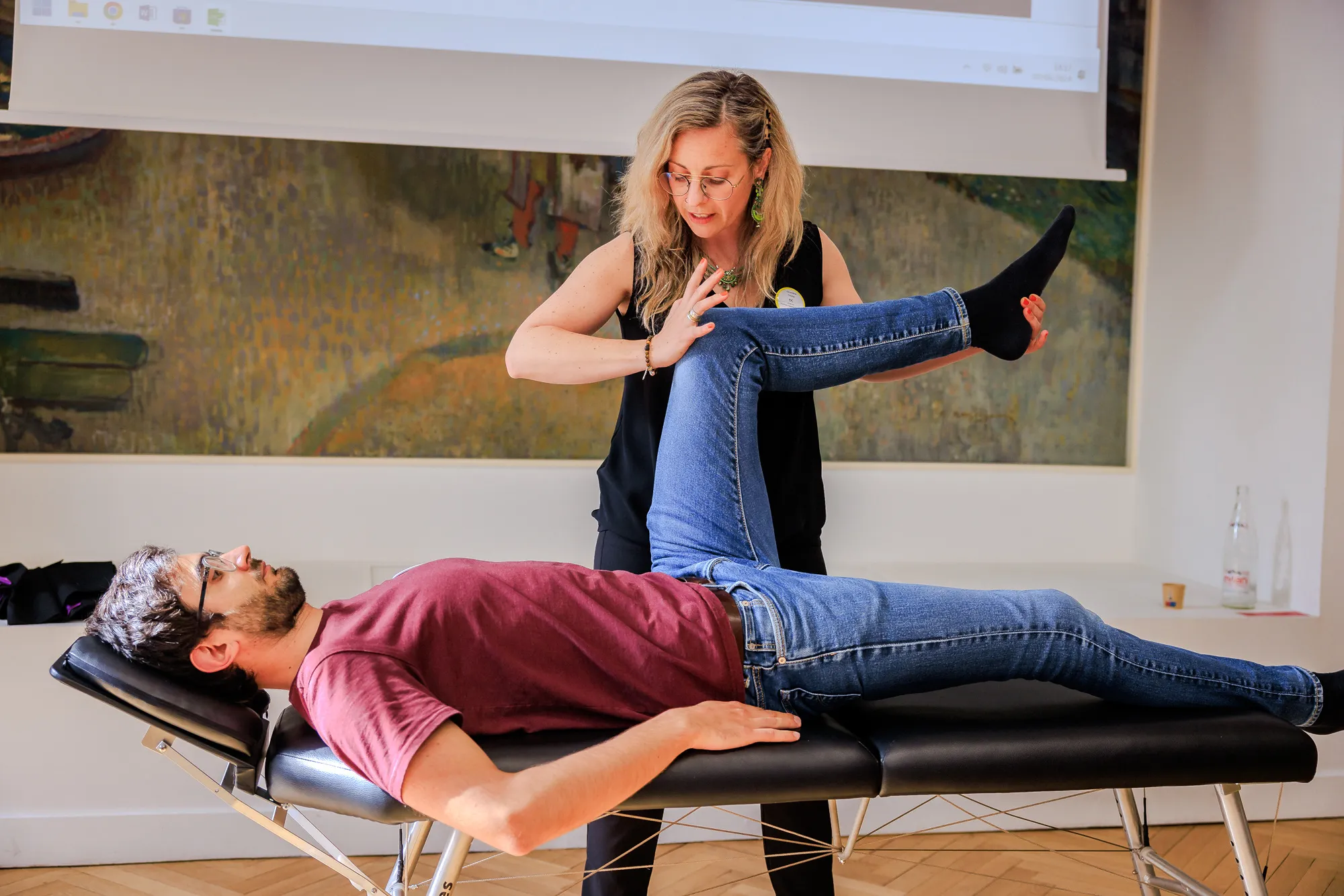
Applied Kinesiology is a safe, non-invasive diagnostic system that uses manual muscle testing to evaluate neurological function. It focuses on neuromuscular function as it relates to the structural, chemical and neurological regulatory mechanisms of the body — helping practitioners look for the source of a problem rather than treating a symptom in isolation.
Used alongside standard methods of diagnosis — clinical history, physical examination, laboratory testing — AK gives licensed practitioners real-time feedback to build a picture of each patient's unique physiologic condition.
- Medical Doctors
- Doctors of Chiropractic
- Doctors of Osteopathy
- Doctors of Dentistry
- Doctors of Naturopathy
Triad of Health
The Five Factors of Health
An AK evaluation reads the whole person through the Triad of Health — structural, chemical and mental — and the five factors that govern how a muscle, and the tissue it reports on, respond. Choose a factor to see what it covers.
Tap or hover each red circle to explore the five factors.
- StructuralMuscles, joints, posture and the mechanics of movement.
- ChemicalNutrition, biochemistry, medication and environment.
- MentalStress, emotion and how the nervous system carries it.
14 chapters worldwide
One college. One standard of care. Fourteen countries.
ICAK chapters run their own education, certification and practitioner directories under a single international standard — so a patient in Melbourne and a patient in Munich meet the same rigour.
Global chapters
Find your chapter
Each chapter maintains its own practitioner directory and membership. Choose a country to go straight to its register of certified Applied Kinesiology practitioners.
;%20}%20%3c/style%3e%3cclipPath%20id='clippath'%3e%3ccircle%20class='cls-1'%20cx='17.4'%20cy='17.4'%20r='17.4'%3e%3c/circle%3e%3c/clipPath%3e%3c/defs%3e%3cg%20id='Calque_1'%20data-name='Calque%201'%3e%3cg%20class='cls-5'%3e%3cpath%20class='cls-3'%20d='M-7.84-1.55h48.46v36.34H-7.84V-1.55Z'%3e%3c/path%3e%3cpath%20class='cls-2'%20d='M-3.88.34L4.87,6.84,13.59.34h2.8v2.22l-8.61,6.42,8.61,6.39v2.19h-2.87l-8.61-6.42-8.58,6.42h-2.91v-2.15L2,9.03-6.58,2.64V.34h2.69Z'%3e%3c/path%3e%3cpath%20class='cls-4'%20d='M8.64,10.43l7.75,5.71v1.44l-9.73-7.14h1.97ZM2.04,11.14l.22,1.26-6.89,5.17h-1.94L2.04,11.14ZM16.39.34v.11L7.46,7.2l.07-1.58L14.6.34h1.79ZM-6.58.34L2,6.66H-.15L-6.58,1.85V.34Z'%3e%3c/path%3e%3cpath%20class='cls-2'%20d='M2.07.34v17.23h5.74V.34H2.07ZM-6.58,6.08v5.74h22.97v-5.74H-6.58Z'%3e%3c/path%3e%3cpath%20class='cls-4'%20d='M-6.58,7.27v3.45h22.97v-3.45H-6.58ZM3.22.34v17.23h3.45V.34h-3.45Z'%3e%3c/path%3e%3cpath%20class='cls-2'%20d='M31.25,28.82l-1.47.19.16,1.47-1.06-1.03-1.06,1.04.14-1.47-1.47-.17,1.24-.8-.78-1.26,1.41.47.5-1.4.51,1.39,1.4-.48-.77,1.26,1.26.8ZM30.98,20.4l.19-.93-.7-.65.95-.11.39-.87.39.87.95.11-.7.65.19.93-.83-.47-.83.47ZM23.51,16.1l-1.46.16.13,1.46-1.03-1.04-1.06,1.01.17-1.46-1.45-.19,1.24-.78-.75-1.26,1.39.49.52-1.37.48,1.39,1.39-.45-.78,1.24,1.23.8h0ZM38.14,13.74l-1.5.19.17,1.5-1.08-1.06-1.08,1.06.15-1.51-1.5-.17,1.27-.83-.8-1.28,1.44.48.5-1.42.52,1.42,1.43-.5-.79,1.29,1.28.81ZM31.24,7.75l-1.49.17.14,1.49-1.06-1.06-1.08,1.03.17-1.49-1.49-.2,1.27-.79-.77-1.28,1.41.5.52-1.4.49,1.41,1.42-.47-.8,1.26,1.25.83ZM10.22,28.03l-3.29.39.33,3.29-2.35-2.33-2.37,2.31.35-3.29-3.29-.42,2.79-1.78-1.72-2.83,3.13,1.08,1.13-3.11,1.11,3.12,3.14-1.06-1.74,2.81,2.78,1.8h0Z'%3e%3c/path%3e%3c/g%3e%3c/g%3e%3c/svg%3e) ICAK AustralasiaAustralia / New Zealand / JapanDr. Michael Hooker — DC, DIBAK
ICAK AustralasiaAustralia / New Zealand / JapanDr. Michael Hooker — DC, DIBAK;%20}%20.cls-9%20{%20clip-path:%20url(%23clippath-2);%20}%20.cls-10%20{%20fill:%20%231791ff;%20}%20.cls-11%20{%20fill:%20%23c1272d;%20}%20.cls-4%20{%20fill:%20%23fdb913;%20}%20.cls-5%20{%20fill:%20%23981e32;%20}%20.cls-12%20{%20clip-path:%20url(%23clippath);%20}%20%3c/style%3e%3cclipPath%20id='clippath'%3e%3ccircle%20class='cls-1'%20cx='23.2'%20cy='17.4'%20r='17.4'%3e%3c/circle%3e%3c/clipPath%3e%3cclipPath%20id='clippath-1'%3e%3ccircle%20class='cls-1'%20cx='67.99'%20cy='17.4'%20r='17.4'%3e%3c/circle%3e%3c/clipPath%3e%3cclipPath%20id='clippath-2'%3e%3ccircle%20class='cls-1'%20cx='112.78'%20cy='17.4'%20r='17.4'%3e%3c/circle%3e%3c/clipPath%3e%3c/defs%3e%3cg%20id='Calque_1'%20data-name='Calque%201'%3e%3cg%3e%3cg%20class='cls-12'%3e%3cg%3e%3cpath%20class='cls-10'%20d='M0,0h46.39v11.6H0V0Z'%3e%3c/path%3e%3cpath%20class='cls-7'%20d='M0,11.6h46.39v11.6H0v-11.6Z'%3e%3c/path%3e%3cpath%20class='cls-3'%20d='M0,23.2h46.39v11.6H0v-11.6Z'%3e%3c/path%3e%3c/g%3e%3c/g%3e%3cg%20class='cls-8'%3e%3cg%3e%3crect%20class='cls-6'%20x='44.59'%20width='46.39'%20height='34.64'%3e%3c/rect%3e%3crect%20class='cls-11'%20x='44.59'%20y='23.25'%20width='46.39'%20height='11.55'%3e%3c/rect%3e%3cpath%20class='cls-4'%20d='M44.59,0h46.39v11.55h-46.39V0Z'%3e%3c/path%3e%3c/g%3e%3c/g%3e%3cg%20class='cls-9'%3e%3cg%3e%3cpath%20class='cls-2'%20d='M89.79,0h46.39v34.79h-46.39V0Z'%3e%3c/path%3e%3cpath%20class='cls-5'%20d='M89.79,0h46.39v13.92h-46.39V0ZM89.79,20.88h46.39v13.92h-46.39v-13.92Z'%3e%3c/path%3e%3c/g%3e%3c/g%3e%3c/g%3e%3c/g%3e%3c/svg%3e) ICAK BalticsLatvia / Lithuania / EstoniaDr. Olegs Suhorukovs — MD, Spine Surgeon, DIBAK
ICAK BalticsLatvia / Lithuania / EstoniaDr. Olegs Suhorukovs — MD, Spine Surgeon, DIBAK;%20}%20.cls-9%20{%20clip-path:%20url(%23clippath-2);%20}%20.cls-10%20{%20fill:%20%23fff;%20}%20.cls-11%20{%20fill:%20%2300a1de;%20}%20.cls-4%20{%20fill:%20%23ffd90c;%20}%20.cls-5%20{%20fill:%20%23000001;%20}%20.cls-12%20{%20clip-path:%20url(%23clippath);%20}%20%3c/style%3e%3cclipPath%20id='clippath'%3e%3ccircle%20class='cls-1'%20cx='17.4'%20cy='17.4'%20r='17.4'%3e%3c/circle%3e%3c/clipPath%3e%3cclipPath%20id='clippath-1'%3e%3ccircle%20class='cls-1'%20cx='62.19'%20cy='17.4'%20r='17.4'%3e%3c/circle%3e%3c/clipPath%3e%3cclipPath%20id='clippath-2'%3e%3ccircle%20class='cls-1'%20cx='106.99'%20cy='17.4'%20r='17.4'%3e%3c/circle%3e%3c/clipPath%3e%3c/defs%3e%3cg%20id='Calque_1'%20data-name='Calque%201'%3e%3cg%3e%3cg%20class='cls-12'%3e%3cg%3e%3cpath%20class='cls-5'%20d='M-6.26-.69h15.77v35.49H-6.26V-.69Z'%3e%3c/path%3e%3cpath%20class='cls-4'%20d='M9.51-.69h15.78v35.49h-15.78V-.69Z'%3e%3c/path%3e%3cpath%20class='cls-3'%20d='M25.29-.69h15.77v35.49h-15.77V-.69Z'%3e%3c/path%3e%3c/g%3e%3c/g%3e%3cg%20class='cls-8'%3e%3cpath%20class='cls-6'%20d='M39,0h46.39v11.6h-46.39V0Z'%3e%3c/path%3e%3cpath%20class='cls-10'%20d='M39,11.6h46.39v11.6h-46.39v-11.6Z'%3e%3c/path%3e%3cpath%20class='cls-7'%20d='M39,23.2h46.39v11.6h-46.39v-11.6Z'%3e%3c/path%3e%3c/g%3e%3cg%20class='cls-9'%3e%3cpath%20class='cls-2'%20d='M83.79,0h46.39v11.6h-46.39V0Z'%3e%3c/path%3e%3cpath%20class='cls-10'%20d='M83.79,11.6h46.39v11.6h-46.39v-11.6Z'%3e%3c/path%3e%3cpath%20class='cls-11'%20d='M83.79,23.2h46.39v11.6h-46.39v-11.6Z'%3e%3c/path%3e%3c/g%3e%3c/g%3e%3c/g%3e%3c/svg%3e) ICAK BeneluxBelgium / Netherlands / LuxembourgGeert Drenth — N.D., D.O., DIBAK
ICAK BeneluxBelgium / Netherlands / LuxembourgGeert Drenth — N.D., D.O., DIBAK ICAK BrasilBrazilDr. Agne Cervo Peres — Dentist, Specialist in Functional Jaw Orthopedics
;%20}%20%3c/style%3e%3cclipPath%20id='clippath'%3e%3ccircle%20class='cls-1'%20cx='17.4'%20cy='17.4'%20r='17.4'%3e%3c/circle%3e%3c/clipPath%3e%3c/defs%3e%3cg%20id='Calque_1'%20data-name='Calque%201'%3e%3cg%20class='cls-4'%3e%3cg%3e%3cpath%20class='cls-3'%20d='M6.41,0h21.98v34.81H6.4V0Z'%3e%3c/path%3e%3cpath%20class='cls-2'%20d='M-4.58,1.87H6.41v31.06H-4.58V1.87ZM28.39,1.87h10.99v31.06h-10.98V1.87ZM9.7,16.88l-.86.28,3.97,3.49c.3.89-.1,1.15-.36,1.62l4.31-.54-.1,4.33.9-.02-.2-4.31,4.32.52c-.27-.56-.5-.86-.26-1.76l3.97-3.3-.69-.26c-.57-.44.25-2.11.36-3.16,0,0-2.31.8-2.46.38l-.6-1.13-2.11,2.32c-.23.06-.32-.03-.38-.23l.97-4.84-1.54.87c-.14.06-.25,0-.34-.14l-1.49-2.98-1.53,3.09c-.12.11-.23.12-.32.05l-1.48-.82.89,4.79c-.07.19-.24.25-.43.14l-2.02-2.28c-.26.42-.44,1.11-.79,1.26s-1.52-.29-2.3-.45c.27.96,1.1,2.56.58,3.09'%3e%3c/path%3e%3c/g%3e%3c/g%3e%3c/g%3e%3c/svg%3e) ICAK CanadaCanadaDr. Clara Hunter Poelman — Chiropractor, DC, DIBAK
ICAK CanadaCanadaDr. Clara Hunter Poelman — Chiropractor, DC, DIBAK;%20}%20%3c/style%3e%3cclipPath%20id='clippath'%3e%3ccircle%20class='cls-1'%20cx='17.4'%20cy='17.4'%20r='17.4'%3e%3c/circle%3e%3c/clipPath%3e%3c/defs%3e%3cg%20id='Calque_1'%20data-name='Calque%201'%3e%3cg%20class='cls-5'%3e%3cg%3e%3cpath%20class='cls-4'%20d='M-8.13-3.97h51.69v38.76H-8.13V-3.97Z'%3e%3c/path%3e%3cpath%20class='cls-2'%20d='M-7.13-3.97H10.1v38.76H-7.13V-3.97Z'%3e%3c/path%3e%3cpath%20class='cls-3'%20d='M25.33-3.97h17.23v38.76h-17.23V-3.97Z'%3e%3c/path%3e%3c/g%3e%3c/g%3e%3c/g%3e%3c/svg%3e) ICAK FranceFranceDr. Alexis Ryan — President
ICAK FranceFranceDr. Alexis Ryan — President;%20}%20%3c/style%3e%3cclipPath%20id='clippath'%3e%3ccircle%20class='cls-1'%20cx='17.4'%20cy='17.4'%20r='17.4'%3e%3c/circle%3e%3c/clipPath%3e%3c/defs%3e%3cg%20id='Calque_1'%20data-name='Calque%201'%3e%3cg%20class='cls-5'%3e%3cpath%20class='cls-2'%20d='M-5.56,23.2h46.39v11.6H-5.56v-11.6Z'%3e%3c/path%3e%3cpath%20class='cls-3'%20d='M-5.56,0h46.39v11.6H-5.56V0Z'%3e%3c/path%3e%3cpath%20class='cls-4'%20d='M-5.56,11.6h46.39v11.6H-5.56v-11.6Z'%3e%3c/path%3e%3c/g%3e%3c/g%3e%3c/svg%3e) DÄGAK — ICAK GermanyGermanyTimo Schmidt — Master of Chiropractic
DÄGAK — ICAK GermanyGermanyTimo Schmidt — Master of Chiropractic;%20}%20%3c/style%3e%3cclipPath%20id='clippath'%3e%3ccircle%20class='cls-1'%20cx='17.4'%20cy='17.4'%20r='17.4'%3e%3c/circle%3e%3c/clipPath%3e%3c/defs%3e%3cg%20id='Calque_1'%20data-name='Calque%201'%3e%3cg%20class='cls-5'%3e%3cg%3e%3cpath%20class='cls-3'%20d='M-5.97,0h46.39v34.79H-5.97V0Z'%3e%3c/path%3e%3cpath%20class='cls-4'%20d='M-4.97,0h15.46v34.79H-4.97V0Z'%3e%3c/path%3e%3cpath%20class='cls-2'%20d='M23.96,0h15.46v34.79h-15.46V0Z'%3e%3c/path%3e%3c/g%3e%3c/g%3e%3c/g%3e%3c/svg%3e) ICAK ItalyItalyDr. Danilo Della Libera — President
ICAK ItalyItalyDr. Danilo Della Libera — President;%20}%20.cls-5%20{%20fill:%20%230047a0;%20}%20.cls-6%20{%20fill:%20%23000001;%20}%20.cls-10%20{%20clip-path:%20url(%23clippath);%20}%20%3c/style%3e%3cclipPath%20id='clippath'%3e%3ccircle%20class='cls-1'%20cx='17.4'%20cy='17.4'%20r='17.4'%3e%3c/circle%3e%3c/clipPath%3e%3cclipPath%20id='clippath-1'%3e%3crect%20class='cls-1'%20x='.73'%20y='4.7'%20width='34.83'%20height='26.12'%3e%3c/rect%3e%3c/clipPath%3e%3c/defs%3e%3cg%20id='Calque_1'%20data-name='Calque%201'%3e%3cg%20class='cls-10'%3e%3cg%3e%3crect%20class='cls-7'%20x='-9.55'%20y='-3.36'%20width='51.59'%20height='40.59'%3e%3c/rect%3e%3cg%20class='cls-9'%3e%3cg%3e%3cpath%20class='cls-2'%20d='M-9.44-3.36h55.16v41.36H-9.44V-3.36Z'%3e%3c/path%3e%3cg%3e%3cg%20id='kr-c'%3e%3cpath%20id='kr-b'%20class='cls-6'%20d='M4.54,12.63l3.62-5.43.91.6-3.62,5.43-.91-.6ZM5.9,13.54l3.62-5.43.91.6-3.62,5.43-.91-.6ZM7.26,14.44l3.62-5.43.91.6-3.62,5.43-.91-.6Z'%3e%3c/path%3e%3cpath%20id='kr-b-2'%20data-name='kr-b'%20class='cls-6'%20d='M24.46,25.91l3.62-5.43.91.6-3.62,5.43-.91-.6ZM25.82,26.82l3.62-5.43.91.6-3.62,5.43-.91-.6ZM27.18,27.73l3.62-5.43.91.6-3.62,5.43-.91-.6Z'%3e%3c/path%3e%3c/g%3e%3cg%3e%3cpath%20class='cls-4'%20d='M25.82,22.9l4.53,3.02'%3e%3c/path%3e%3crect%20class='cls-7'%20x='27.81'%20y='21.69'%20width='.54'%20height='5.44'%20transform='translate(-7.8%2034.23)%20rotate(-56.3)'%3e%3c/rect%3e%3c/g%3e%3cpath%20class='cls-3'%20d='M12.69,14.14c2-3,6.05-3.81,9.05-1.81,3,2,3.81,6.05,1.81,9.05l-10.86-7.25Z'%3e%3c/path%3e%3cpath%20class='cls-5'%20d='M12.69,14.14c-2,3-1.19,7.05,1.81,9.05,3,2,7.05,1.19,9.05-1.81,1-1.5.6-3.53-.9-4.53s-3.53-.6-4.53.9l-5.43-3.62Z'%3e%3c/path%3e%3ccircle%20class='cls-8'%20cx='15.41'%20cy='15.95'%20r='3.26'%3e%3c/circle%3e%3c/g%3e%3cg%3e%3cg%20id='kr-c-2'%20data-name='kr-c'%3e%3cpath%20id='kr-b-3'%20data-name='kr-b'%20class='cls-6'%20d='M8.18,28.33l-3.62-5.43.91-.6,3.62,5.43-.91.6ZM9.54,27.43l-3.62-5.43.91-.6,3.62,5.43-.91.6ZM10.9,26.52l-3.62-5.43.91-.6,3.62,5.43-.91.6Z'%3e%3c/path%3e%3cpath%20id='kr-b-4'%20data-name='kr-b'%20class='cls-6'%20d='M28.1,15.05l-3.62-5.43.91-.6,3.62,5.43-.91.6ZM29.46,14.14l-3.62-5.43.91-.6,3.62,5.43-.91.6ZM30.81,13.24l-3.62-5.43.91-.6,3.62,5.43-.91.6Z'%3e%3c/path%3e%3c/g%3e%3cg%3e%3cpath%20class='cls-4'%20d='M7.5,24.86l1.36-.91M25.83,12.63l1.58-1.06M28.78,10.67l1.36-.91'%3e%3c/path%3e%3cpath%20class='cls-7'%20d='M7.65,25.09l-.3-.45,1.36-.91.3.45-1.36.91ZM25.99,12.86l-.3-.45,1.58-1.06.3.45-1.58,1.06ZM28.93,10.9l-.3-.45,1.36-.91.3.45-1.36.91Z'%3e%3c/path%3e%3c/g%3e%3c/g%3e%3c/g%3e%3c/g%3e%3c/g%3e%3c/g%3e%3c/g%3e%3c/svg%3e) ICAK KoreaSouth KoreaDr. Chang Hyun Dong — MD, Neurosurgeon, DIBAK
ICAK KoreaSouth KoreaDr. Chang Hyun Dong — MD, Neurosurgeon, DIBAK;%20}%20%3c/style%3e%3cclipPath%20id='clippath'%3e%3ccircle%20class='cls-1'%20cx='17.4'%20cy='17.4'%20r='17.4'%3e%3c/circle%3e%3c/clipPath%3e%3c/defs%3e%3cg%20id='Calque_1'%20data-name='Calque%201'%3e%3cg%20class='cls-5'%3e%3cpath%20class='cls-4'%20d='M-2.61,0h46.39v11.6H-2.61V0Z'%3e%3c/path%3e%3cpath%20class='cls-3'%20d='M-2.61,11.6h46.39v11.6H-2.61v-11.6Z'%3e%3c/path%3e%3cpath%20class='cls-2'%20d='M-2.61,23.2h46.39v11.6H-2.61v-11.6Z'%3e%3c/path%3e%3c/g%3e%3c/g%3e%3c/svg%3e) ICAK RussiaRussiaDr. Aleksandr Berezovskii — MD, President
ICAK RussiaRussiaDr. Aleksandr Berezovskii — MD, President;%20}%20%3c/style%3e%3cclipPath%20id='clippath'%3e%3ccircle%20class='cls-1'%20cx='17.4'%20cy='17.4'%20r='17.4'%3e%3c/circle%3e%3c/clipPath%3e%3c/defs%3e%3cg%20id='Calque_1'%20data-name='Calque%201'%3e%3cg%20class='cls-4'%3e%3cg%3e%3cpath%20class='cls-3'%20d='M-5.8,0h46.39v34.79H-5.8V0Z'%3e%3c/path%3e%3cg%3e%3cpath%20class='cls-2'%20d='M6.52,14.14h21.75v6.52H6.52v-6.52Z'%3e%3c/path%3e%3cpath%20class='cls-2'%20d='M14.14,6.52h6.52v21.75h-6.52V6.52Z'%3e%3c/path%3e%3c/g%3e%3c/g%3e%3c/g%3e%3c/g%3e%3c/svg%3e) ICAK SwitzerlandSwitzerlandDr. Giovanni Wullschleger — Chiropractor, DIBAK, CCN
ICAK SwitzerlandSwitzerlandDr. Giovanni Wullschleger — Chiropractor, DIBAK, CCN;%20}%20%3c/style%3e%3cclipPath%20id='clippath'%3e%3ccircle%20class='cls-1'%20cx='17.4'%20cy='17.4'%20r='17.4'%3e%3c/circle%3e%3c/clipPath%3e%3c/defs%3e%3cg%20id='Calque_1'%20data-name='Calque%201'%3e%3cg%20class='cls-4'%3e%3cg%3e%3cpath%20class='cls-2'%20d='M-5.8,0h46.39v34.79H-5.8V0Z'%3e%3c/path%3e%3cpath%20class='cls-3'%20d='M-5.8,0h46.39v17.4H-5.8V0Z'%3e%3c/path%3e%3c/g%3e%3c/g%3e%3c/g%3e%3c/svg%3e) ICAK UkraineUkraineDr. Pavlo Tsyrkot — MD, D.O.
ICAK UkraineUkraineDr. Pavlo Tsyrkot — MD, D.O.;%20}%20%3c/style%3e%3cclipPath%20id='clippath'%3e%3ccircle%20class='cls-1'%20cx='17.4'%20cy='17.4'%20r='17.4'%3e%3c/circle%3e%3c/clipPath%3e%3c/defs%3e%3cg%20id='Calque_1'%20data-name='Calque%201'%3e%3cg%20class='cls-5'%3e%3cg%3e%3cpath%20class='cls-4'%20d='M-5.8,0h46.39v34.79H-5.8V0Z'%3e%3c/path%3e%3cpath%20class='cls-2'%20d='M-.36,0l17.69,13.12L34.94,0h5.65v4.49l-17.4,12.98,17.4,12.9v4.42h-5.8l-17.4-12.98L.07,34.79h-5.87v-4.35l17.32-12.9L-5.8,4.64V0H-.36Z'%3e%3c/path%3e%3cpath%20class='cls-3'%20d='M24.94,20.37l15.66,11.53v2.9l-19.64-14.43h3.99ZM11.6,21.82l.43,2.54L-1.88,34.79h-3.91l17.4-12.98ZM40.59,0v.22l-18.05,13.63.14-3.19L36.97,0h3.62ZM-5.8,0L11.53,12.76h-4.35L-5.8,3.04V0Z'%3e%3c/path%3e%3cpath%20class='cls-2'%20d='M11.67,0v34.79h11.6V0h-11.6ZM-5.8,11.6v11.6h46.39v-11.6H-5.8Z'%3e%3c/path%3e%3cpath%20class='cls-3'%20d='M-5.8,13.99v6.96h46.39v-6.96H-5.8ZM13.99,0v34.79h6.96V0h-6.96Z'%3e%3c/path%3e%3c/g%3e%3c/g%3e%3c/g%3e%3c/svg%3e) ICAK UKUnited KingdomKaren Willis — Chapter President
ICAK UKUnited KingdomKaren Willis — Chapter President ICAK USAUnited States of AmericaDr. Steve Gangemi — Chapter President
International Meeting
Munich, Germany — 2027
The ICAK international meeting returns to Europe in 2027, hosted by DÄGAK, the ICAK Germany chapter. Clinicians and researchers from every chapter gather for teaching, case review and new research.
- Host chapter
- DÄGAK — ICAK Germany
- Location
- Munich, Germany
- Open to
- Members and licensed professionals
To learn about current seminars and learn more about Applied Kinesiology, visit the IEC website — the ICAK's International Educational Council, where you'll find certified teachers, course dates and the certification levels worldwide.
Standards
Who can practice Applied Kinesiology?
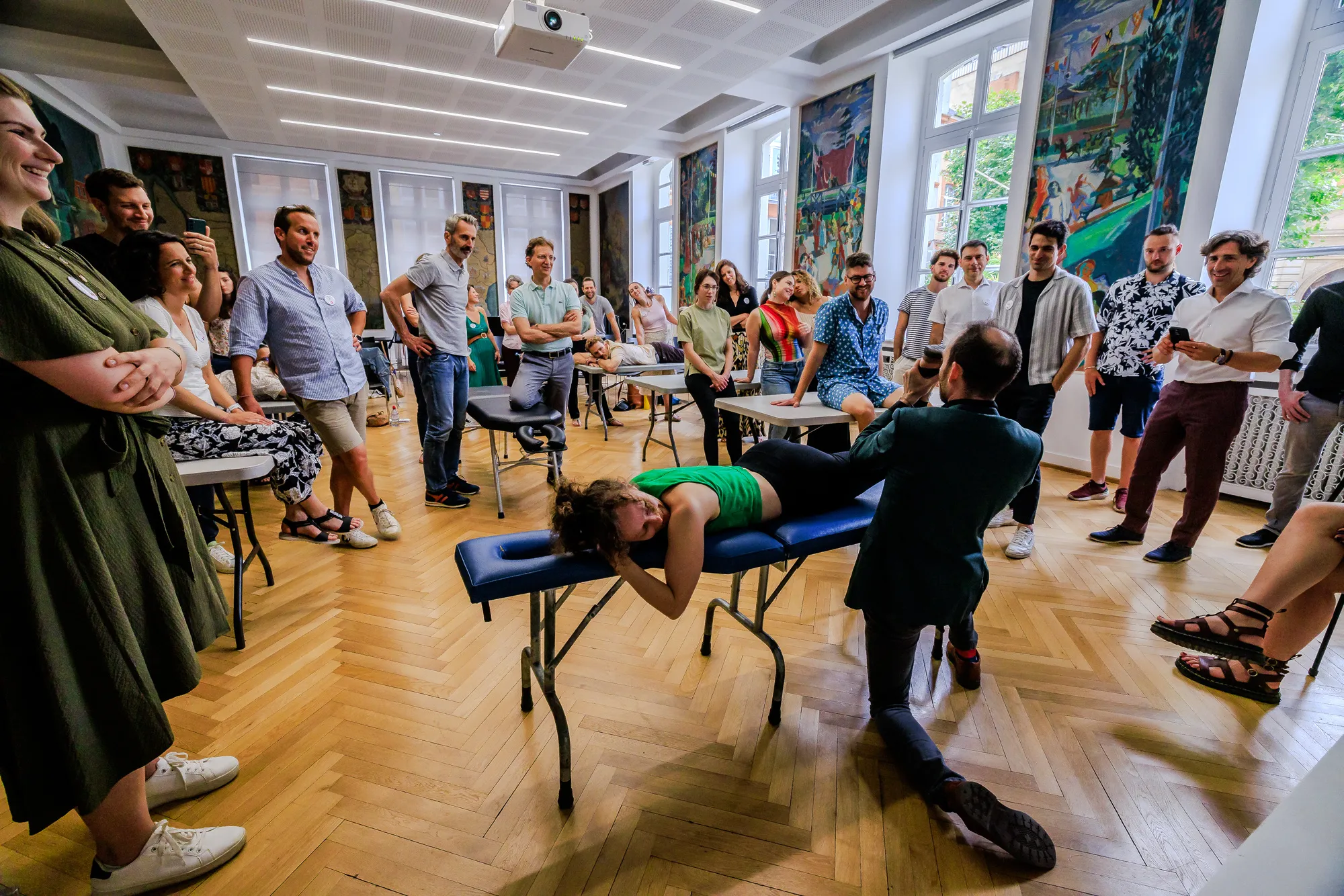
Only healthcare professionals licensed to diagnose — and students enrolled in those programs — may study to become Professional Applied Kinesiology practitioners. Certification requires a 100-hour Basic Applied Kinesiology course followed by a rigorous theoretical and practical examination, under guidelines the ICAK sets and governs globally.
Leadership
Guided by practising clinicians
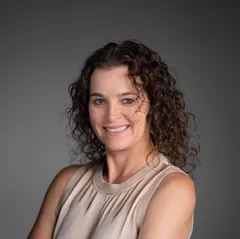
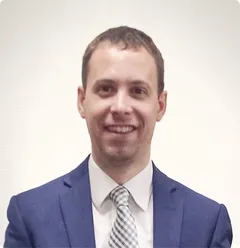
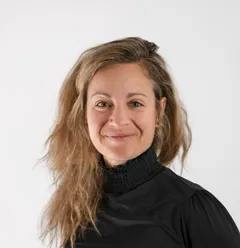
The International Council and its boards are elected from the chapters themselves — working practitioners who set the college's standards for education, examination and research.
Dr. Noah Lebowitz
International Council Chair
ICAK USA
Dr. Claudia Röthinger
International Council Vice-Chair
DÄGAK — Germany
Dr. Ricardo Abrantes
International Council Secretary
ICAK UK
Dr. Genevieve Gagne
International Council Past Chair
ICAK Canada
Join the college that started it all.
Membership connects you to a worldwide faculty, accredited certification pathways, the ICAK research library and a chapter community in your own country.